

clobetasol propionate
Functions and indications:
Clobetasol propionate cream: This product is used for short-term treatment of skin diseases that are effectively treated with topical corticosteroids, such as chronic eczema, psoriasis, lichen planus, discoid lupus erythematosus, neurodermatitis, palmoplantar pustulosis, etc. Miconazole clobetasol cream: It is used for dermatitis, eczema, tinea manuum, tinea cruris and allergic dermatitis caused by fungi.
Usage and dosage:
The dosage and dosage of different dosage forms and specifications of this product may vary. Please read the specific drug instructions for use, or follow the doctor's advice. Clobetasol propionate cream: For external use: Apply a thin layer evenly to the affected area, twice a day. The course of treatment should not exceed 2 weeks. Since the drug may inhibit the hypothalamus-pituitary-adrenal axis, the total weekly dose should not exceed 20g (equivalent to 10mg of clobetasol propionate). Clobetasol propionate ointment: For external use, apply to the affected area, 2-3 times a day, and change to once a day after the condition is controlled. Miconazole clobetasol cream: for external use. Apply evenly to the affected area 1 to 2 times a day.
Adverse reactions:
Clobetasol propionate cream: may cause irritation symptoms such as erythema, burning, itching, folliculitis, skin atrophy and thinning, and capillary dilation at the site of medication. It may also cause dry skin, hirsutism, stretch marks, and increased susceptibility to infection. Long-term medication may cause hypercorticism, manifested as hirsutism, acne, moon face, osteoporosis and other symptoms. It may occasionally cause allergic contact dermatitis. Miconazole clobetasol cream: may cause irritation symptoms such as blisters, erythema, congestion, burning, itching, folliculitis, skin atrophy and thinning, and capillary dilation at the site of medication; it may also cause dry skin, hirsutism, stretch marks, and increased susceptibility to infection. Long-term and large-area medication may cause hypercorticism, manifested as hirsutism, acne, moon face, osteoporosis and other symptoms. It may occasionally cause allergic contact dermatitis.
Contraindications:
Clobetasol propionate cream: contraindicated for those who are allergic to this drug and its base components and to other corticosteroids. Miconazole clobetasol cream: contraindicated for those who are allergic to corticosteroids and imidazoles.
Read more
Add to Compare

Dexamethasone,
Effects and efficacy:
Dexamethasone is mainly used for allergic and autoimmune inflammatory diseases. It is mostly used for connective tissue diseases, active rheumatism, rheumatoid arthritis, lupus erythematosus, severe bronchial asthma, severe dermatitis, ulcerative colitis, acute leukemia, etc. It can also be used for the comprehensive treatment of certain severe infections and poisoning, and malignant lymphoma. Oral medication: It can be used for the diagnosis of certain adrenal cortical diseases. Implants: It is used to treat macular edema caused by retinal branch vein occlusion or central vein occlusion in adult patients. Eye drops: It is used for iridocyclitis, iritis, keratitis, allergic conjunctivitis, blepharitis, dacryocystitis, etc. Creams: It is used for localized pruritus, neurodermatitis, contact dermatitis, etc. Injections: It is commonly used clinically to reduce cerebral edema, altitude sickness and vomiting caused by cancer chemotherapy; to prevent premature infants' respiratory distress syndrome and bronchial and pulmonary dysplasia; it can also be used to diagnose Cushing's syndrome.
Dosage and Administration:
Anti-cerebral edema and intracranial pressure reduction intravenous injection or intravenous drip, 10-40 mg per day for adults, divided into 2-3 times, effective 12-36 hours after medication, the specific course of treatment depends on the patient's condition. Please follow the doctor's advice for details. As an adrenocortical hormone, intravenous administration is used to treat critical illnesses (such as severe shock, etc.): intravenous injection of dexamethasone sodium phosphate, the general dose is 2-20 mg once; when intravenous drip, it should be diluted with 5% glucose injection, and can be repeated after 2-6 hours until the condition stabilizes, but large-dose continuous administration generally does not exceed 72 hours. For the relief of cerebral edema caused by malignant tumors, the first dose is 10 mg intravenous push, followed by 4 mg intramuscular injection every 6 hours. Generally, the patient will improve after 12-24 hours, and the dose can be gradually reduced after 2-4 days, and the drug can be stopped on the 5th to 7th day; for patients with brain tumors who are not suitable for surgery, the first dose can be intravenously pushed 50 mg, and then 8 mg is repeated every 2 hours. After a few days, the dose is gradually reduced to 2 mg per day, divided into 2-3 intravenous administrations. As adrenal cortical hormone, other ways of administration: oral administration: starting dose 0.75-3mg once, 2-4 times a day; maintenance dose 0.75mg a day, depending on the condition. Intrathecal injection or injection into the injured part such as joint cavity, soft tissue (using dexamethasone acetate and dexamethasone sodium phosphate): the intrathecal injection volume is 5-10mg once, once every 1-3 weeks; the intraarticular injection volume is generally 0.8-4mg once, depending on the size of the joint cavity. Please follow the doctor's advice for details. Dermatology medication, apply to the affected area, 1-2 times a day. Ophthalmology medication, drip into the conjunctival sac, 1-2 drops at a time, 3-4 times a day. Oral administration for children, 0.1-0.25mg/kg per day according to body weight, divided into 3-4 doses. Intramuscular injection, intravenous drip: 0.2-0.3mg/kg each time, 1-2 times a day; or 0.25-1.0mg/kg per day. Children's medication must be carried out under the guidance of a doctor and adult supervision.
Contraindications:
Contraindicated if allergic to this product; contraindicated during lactation; used with caution in children; used with caution during pregnancy
Related dosage forms:
Tablets, injections, eye drops, creams
Read more
Add to Compare
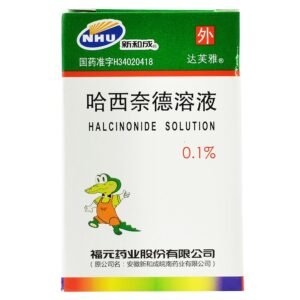
Halcinonide Ointment.
Effects and efficacy:
Suitable for contact eczema, atopic dermatitis, neurodermatitis, small-area psoriasis, sclerosing atrophic lichen, lichen planus, discoid lupus erythematosus, seborrheic dermatitis (non-facial) hypertrophic scars.
Usage and dosage:
Halcinonide topical medicine. The usage and dosage of different dosage forms and specifications may vary. Please read the specific drug instructions for use, or follow the doctor's advice. Halcinonide film is applied to the affected area 1-2 times a day. Halcinonide cream/halcinonide solution is applied to the affected area once in the morning and evening. The same drugs produced by different manufacturers may have inconsistent instructions. If you find inconsistent instructions before taking the drug, please consult a doctor or pharmacist in time.
Drug contraindications:
Allergic to this product is prohibited. Use with caution during pregnancy and lactation.
Related dosage forms:
Film, cream, solution
Read more
Add to Compare

Human epidermal growth factor [recombinant human epidermal growth factor (yeast)] cream
This product is a single-chain polypeptide composed of 51 amino acids. For external use, this product has a strong mitogenic effect on cells derived from the ectoderm and endoderm, and promotes the differentiation, proliferation, secretion and migration of epidermal cells. It has an enhancing effect on a variety of target cells, and can promote the synthesis of DNA, RNA and hydroxyproline in the repair process of animal skin wound tissue, accelerate the formation of wound granulation tissue and the proliferation of epidermal cells, thereby shortening the time of wound healing. This product is rapidly absorbed and distributed in the eye, with a T max of 0.5 hours, and an average retention time of 2.76 hours in the body. About 90% is excreted with urine, and 80% of the total excretion can be excreted within 24 hours. 2. Used for corneal transplantation, postoperative pannus and corneal epithelial punctate defects. After using iodine and alcohol to disinfect the wound, be sure to use 0.9% sodium chloride solution to further rinse the wound, and then apply this product. Eye drops: 20,000 U/2ml.
Read more
Add to Compare

Secukinumab Injection
Secukinumab injection is a monoclonal antibody drug used to treat a variety of tumors and inflammatory diseases. Its main ingredient is secukinumab, which is mainly used to treat adult patients with moderate to severe plaque psoriasis who meet the indications of systemic treatment or phototherapy.
Because the number of lymphocytes and innate immune cells that secrete IL-17A and the level of IL-17A are increased in the blood of patients with psoriatic arthritis and ankylosing spondylitis. Secukinumab can reduce the levels of epidermal neutrophils and IL-17A in psoriasis plaques.
Secukinumab injection is a monoclonal antibody drug used to treat a variety of tumors and inflammatory diseases. Its main ingredient is secukinumab, which is mainly used to treat adult patients with moderate to severe plaque psoriasis who meet the indications of systemic treatment or phototherapy.
Because the number of lymphocytes and innate immune cells that secrete IL-17A and the level of IL-17A are increased in the blood of patients with psoriatic arthritis and ankylosing spondylitis. Secukinumab can reduce the levels of epidermal neutrophils and IL-17A in psoriasis plaques.
Read more
Add to Compare

أقراص Upatinib ممتدة المفعول
المؤشرات السريرية الرئيسية لأقراص upadacitinib ممتدة المفعول هي مجموعة متنوعة من الأمراض الروماتيزمية والمناعية بما في ذلك التهاب المفاصل الروماتويدي، والتهاب المفاصل الصدفي، والتهاب الفقار المقسط، والتهاب المفاصل الشبابي مجهول السبب، وما إلى ذلك.
التهاب الجلد التأتبي: يعد Upadacitinib مناسبًا للبالغين ومرضى الأطفال الذين تبلغ أعمارهم 12 عامًا فما فوق والذين يعانون من التهاب الجلد التأتبي المعتدل إلى الشديد المقاوم للعلاج والذي لا يمكن علاجه بشكل سيئ بواسطة أدوية جهازية أخرى (بما في ذلك الهرمونات أو العوامل البيولوجية) أو غير مناسب لهذه العلاجات.
التهاب المفاصل الروماتويدي: يعد Upadacitinib مناسبًا للمرضى البالغين المصابين بالتهاب المفاصل الروماتويدي النشط المعتدل إلى الشديد والذين لديهم استجابة غير كافية أو عدم تحمل لواحد أو أكثر من حاصرات TNF.
التهاب المفاصل الصدفي: يعد Upadacitinib مناسبًا للمرضى البالغين المصابين بالتهاب المفاصل الصدفي النشط والذين لديهم استجابة غير كافية أو عدم تحمل لواحد أو أكثر من حاصرات TNF.
Read more
Add to Compare

أقراص أبريميلاست
أقراص Apremilast عبارة عن مثبطات جزيئية صغيرة للفوسفوديستراز -4 والتي يمكن استخدامها لعلاج الصدفية. التحليل المحدد هو كما يلي:
أقراص Apremilast هي أدوية تستخدم لتخفيف الصدفية، وذلك بشكل رئيسي لتخفيف التورم وآلام المفاصل والتصلب وغيرها من الحالات الناجمة عن المرض. قد يسبب الدواء الإسهال والصداع والغثيان وأعراض الانزعاج الأخرى. يجب على النساء الحوامل والأشخاص الذين لديهم حساسية من مكونات الدواء عدم تناول الدواء. الصدفية هي مرض جلدي مزمن مع إمكانية تكراره. قد يكون سببها الوراثة، أو العدوى، أو اضطرابات الغدد الصماء، أو تشوهات المناعة، وما إلى ذلك، ويتجلى بشكل رئيسي في الحمامي، والقشعريرة، وآلام المفاصل، والتورم، والتقشر، وما إلى ذلك. لا يوجد علاج محدد للصدفية، والتي يمكن السيطرة عليها وتخفيفها من خلال العلاج الدوائي والعلاج الطبيعي وغيرها، ويمكن للمرضى استخدام أقراص أبريميلاست لتخفيف المرض تحت إشراف الطبيب، ويمكن أيضًا استخدام أدوية مثل كريم الهالوميتازون وكريم ديزونيد لتحسينه حسب نصيحة الطبيب.
Read more
Add to Compare

أقراص أولوباتادين هيدروكلوريد.
كبسولات أولوباتادين هيدروكلوريد هي حاصرات انتقائية لمستقبلات الهستامين H1 ومثبتات غشاء الخلايا البدينة نسبيًا. في الممارسة السريرية، يستخدم هذا المنتج بشكل رئيسي في التهاب الأنف التحسسي، الشرى، وأمراض الجلد الحكة (الأكزيما، التهاب الجلد، الحكة، الصدفية، حمامي متعددة الأشكال نضحي).
يمكن لهذا المنتج تثبيت أغشية الخلايا البدينة، ومنع التحبب وإطلاق الوسائط التحسسية، وفي الوقت نفسه يمنع مستقبلات الهستامين H1 ويقاوم تأثيرات الهستامين.
Read more
Add to Compare

أقراص ابروسيتينيب
أقراص Abrocitinib هي مثبط انتقائي للغاية لـ JAK1 (Janus kinase 1)، وهو مناسب للمرضى البالغين الذين يعانون من التهاب الجلد التأتبي المقاوم، المعتدل إلى الشديد والذين لم يستجيبوا بشكل جيد للعلاجات الجهازية الأخرى (مثل الهرمونات أو العوامل البيولوجية) أو غير مناسبين لما سبق. العلاجات.
تمنع أقراص Abrocitinib مسار إشارات JAK1 لتقليل الفسفرة وتنشيط JAK1، وبالتالي تثبيط ارتباط STAT بمستقبلات السيتوكينات، مما يقلل من نسخ الجينات النهائية والسيتوكينات التي تستمر في الاستجابات الالتهابية، وبالتالي تقليل إنتاج العوامل الرئيسية والعلامات الأخرى تشارك في تطور التهاب الجلد التأتبي، وبالتالي تلعب دورًا علاجيًا في التهاب الجلد التأتبي.
Read more
Add to Compare
Product Categories
- A الهضم والتمثيل الغذائي
- B تداول البلازما
- C نظام القلب والأوعية الدموية
- D الاستعدادات الجلدية
- DR\MR المطور المحسن
- E أدوية الجهاز المكونة للدم
- F نظام الدماغ القحفي
- G الجهاز البولي التناسلي
- H الاستعدادات الهرمونية
- K الهرمونات الجنسية
- M الجهاز العضلي الهيكلي
- N أدوية الجهاز العصبي
- O الأدوية المساعدة للأورام
- P مضادات الديدان
- R الجهاز التنفسي
- S الفم والعينين والأنف والأذنين
- Vترياق التسمم
- W الحد من البرد والحمى
- X أمراض معدية
- أدوية الأورام
- الأدوات الطبية
- الأدوية المضادة للعدوى
- السواغات الطبية
- الطعام الصحي
- منتجات الصحة الجنسية
Brands
Selected static block was removed or unpublished