

Melphalan Hydrochloride for Injection
Melphalan tablets are indicated for the treatment of multiple myeloma and advanced ovarian adenocarcinoma. Melphalan tablets, used alone or in combination with other drugs, have significant effects on some patients with advanced breast cancer. Melphalan is effective for some patients with polycythemia. Melphalan has also been used as an adjuvant drug in the surgical treatment of breast cancer.
Read more
Add to Compare

mitoxantrone hydrochloride injection for tracing,MHI
Used for tracing the draining lymph nodes in the thyroid surgery area [1].
Used for tracing the sentinel lymph nodes in breast cancer
Read more
Add to Compare

Mobocertinib Succinate Capsules
For use in adult patients with non-small cell lung cancer with EGFR exon 20 insertion mutations
Read more
Add to Compare
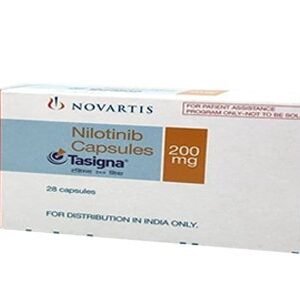
Nilotinib Capsules
Nilotinib capsules are a tyrosine kinase inhibitor, which is mainly used clinically for adult patients with Philadelphia chromosome-positive chronic myeloid leukemia (Ph+ CML) in the chronic or accelerated phase who are resistant or intolerant to previous treatments (including imatinib).
The main ingredient of Nilotinib capsules is nilotinib, which can inhibit BCR-ABL tyrosine kinase in CML cells, preventing their further growth, spread and division.
Read more
Add to Compare

Oxaliplatin injection
Effects and efficacy: This product is mainly used for the first and second-line treatment of advanced colorectal cancer and postoperative adjuvant chemotherapy for early patients; it is effective for ovarian cancer, breast cancer, gastric cancer, pancreatic cancer, non-small cell lung cancer, melanoma, testicular tumors and lymphoma.
Usage and dosage: Single drug application: The recommended dose is 130mg/m, added to 250-500ml 5% glucose solution, intravenous drip for 2-6 hours, repeated once every 3 weeks. The dose of this product should not exceed 200mg/m to avoid neurotoxicity. There is no need to adjust the dose for patients with mild or moderate renal insufficiency or mild hepatic insufficiency, but it should be used with caution for patients with severe hepatic and renal insufficiency. Combined with fluorouracil: The dose of the next administration should be adjusted according to the degree of bone marrow suppression. If 4-degree diarrhea, 3-4-degree granulocytopenia and (or) 3-4-degree thrombocytopenia occur, the dose of this product should be reduced by 25%, and the dose of fluorouracil should also be reduced. Combined chemotherapy: mainly combined with calcium folinate (CF), fluorouracil, and in recent years also with gemcitabine. The dosage of this product is the same as above. The same infusion bottle cannot be used for fluorouracil infusion, and it is best to be 1 hour apart. The adjustment of dosage should be based on safety, especially neurological safety. Instructions for use Oxaliplatin must be prepared and further diluted before use. The freeze-dried powder preparation must be dissolved and diluted with the specified solution. Instructions for use As with other cytotoxic drugs, the use and preparation of oxaliplatin must be carried out carefully and cautiously in accordance with the precautions. Instructions for operation When handling this cytotoxic drug, medical staff and nurses should be cautious in every step to ensure the safety of themselves and the surrounding environment. The preparation of cytotoxic drug injection solutions must be carried out by professionals who have been professionally trained and have medical knowledge to ensure the safety of the environment, especially the safety of the preparer himself. To achieve this goal, a dedicated area is required. Smoking, eating and drinking are prohibited in this area. The preparer must be well equipped. Long-sleeved work clothes, protective masks, hats, protective glasses, disposable sterile gloves, protective covers on the workbench, and special containers for waste. The patient's excrement and vomitus must be properly handled. Pregnant women should avoid contact with cytotoxic drugs. Any broken containers must be handled with the same care as contaminated materials. Contaminated waste should be incinerated in labeled hard containers. If oxaliplatin powder, reconstituted material or solution contacts the skin or mucous membrane, it should be immediately rinsed with plenty of water. Special precautions for use Do not use injection materials containing aluminum. Do not use without dilution. Do not prepare or dilute this product with saline solution. Do not mix with any other drugs or use them simultaneously through the same infusion channel (especially 5-fluorouracil, alkaline solution, tromethamine and folinic acid drugs containing excipient tromethamine). After infusing oxaliplatin, the infusion tube needs to be flushed. Only recommended solvents can be used. If there is any precipitate in the prepared solution, it cannot be used again and should be destroyed in accordance with the handling principles of hazardous materials required by regulations. Preparation of solution When preparing the solution, water for injection or 5% glucose solution should be used. 10 ml of solvent should be added to the 50 mg package to make the oxaliplatin concentration reach 5.0 mg/ml. From the perspective of microbiology and chemistry, the prepared solution must be diluted immediately with 5% glucose solution. Before use, its transparency should be checked, and only clear solutions without precipitation can be used. This product is for single use, and any remaining solution should be discarded. Dilution before injection Take out the prepared solution from the bottle and immediately dilute it with 250~500 ml of 5% glucose solution to a solution with a concentration of more than 0.2 mg/ml, and then infuse it intravenously. Under normal circumstances, the physicochemical stability of the solution can be maintained for 24 hours between 2℃ and 8℃. From a microbiological point of view, this solution should be used immediately. If it is not used immediately, the user must ensure the storage time and conditions before use. Under normal circumstances, it should not exceed 24 hours between 2℃ and 8℃, unless the dilution is carried out under controlled and confirmed sterile conditions. Before use, its transparency should be checked, and only clear solutions without precipitation can be used. This product is for single use only and any remaining solution should be discarded. Do not prepare or dilute this product with saline solution. Oxaliplatin does not require prehydration for infusion. Oxaliplatin is diluted with 250-500 ml of 5% glucose solution to a concentration of 0.2 mg/ml or above and must be infused through a peripheral or central vein for 2-6 hours. When oxaliplatin and 5-fluorouracil are used together, oxaliplatin should be used before 5-fluorouracil. Waste disposal Any remaining drugs, as well as all items used for preparation, dilution and injection, must be destroyed in accordance with standard hospital procedures for cytotoxic drugs and current legal provisions for the disposal of toxic waste. The same drugs produced by different manufacturers may have inconsistent instructions. If you find inconsistencies in the instructions before taking the drug, please consult your doctor or pharmacist in time.
Drug contraindications:
Allergy to this product is prohibited. Renal impairment is prohibited. Lactation is prohibited. Use with caution in liver and kidney dysfunction. Use with caution during pregnancy
Related dosage forms:
Injection
Read more
Add to Compare

Ozanimod Hydrochloride Capsules
This product is used to treat relapsing forms of multiple sclerosis in adults, including clinically isolated syndrome, relapsing-remitting multiple sclerosis and active secondary progressive multiple sclerosis.
Read more
Add to Compare

Paclitaxel Liposome for Injection
Paclitaxel liposome for injection is a cytotoxic anti-tumor drug with the following indications:
This product is mainly used in the clinic for first-line chemotherapy of ovarian cancer and the treatment of ovarian metastatic cancer in the future. As first-line chemotherapy, this product can also be used in combination with cisplatin.
It can also be used for follow-up treatment of breast cancer patients who have used standard chemotherapy containing doxorubicin or for the treatment of recurrent patients.
It can be used in combination with cisplatin for first-line chemotherapy of patients with non-small cell lung cancer who cannot undergo surgery or radiotherapy.
The main component of paclitaxel liposome for injection is paclitaxel, which can promote the assembly of microtubule dimers and prevent their disassembly. It can also lead to abnormal arrangement of microtubules throughout the cell cycle and the production of microtubule astrocytes during cell division, thereby hindering cell division and inhibiting tumor growth.
Read more
Add to Compare
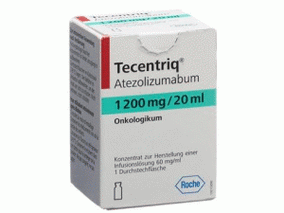
PDL-1TECENTRIQ أتيزوليزوماب 阿特珠单抗
أتيزوليزوماب دواءٌ مُثبِّطٌ لبروتين PD-L1، وهو دواءٌ يُستخدم في العلاج المناعي. يمنع هذا الدواء ارتباط بروتين PD-L1 الموجود على سطح الخلايا السرطانية بمستقبلات الخلايا المناعية، مما يُنشِّط الجهاز المناعي في الجسم لمهاجمة الخلايا السرطانية. يُستخدم هذا الدواء بشكلٍ رئيسي لعلاج سرطان الرئة ذو الخلايا غير الصغيرة، وسرطان الرئة ذو الخلايا الصغيرة، وسرطان الثدي الثلاثي السلبي، وسرطان الخلايا الكبدية، ويجب استخدامه بدقة وفقًا لتعليمات الطبيب.
آلية العمل
حجب مسار PD-L1: ترتبط الخلايا السرطانية بمستقبلات PD-1 أو B7.1 على الخلايا المناعية (مثل الخلايا التائية) من خلال بروتين PD-L1، مما يُثبِّط الاستجابة المناعية. يُحجب أتيزوليزوماب هذا المسار ويُعيد نشاط الخلايا التائية.
تنشيط الجهاز المناعي: بعد تخفيف تأثير تثبيط المناعة، تستطيع الخلايا التائية التعرف على الخلايا السرطانية والقضاء عليها، مما يُحقق تأثيرًا مُضادًا للأورام.
دواعي الاستعمال
سرطان الرئة ذو الخلايا غير الصغيرة: يُستعمل للمرضى الذين يعانون من مرض متقدم مع ارتفاع في التعبير الجيني لـ PD-L1 أو طفرات جينية محددة.
سرطان الرئة ذو الخلايا الصغيرة: يُستخدم مع العلاج الكيميائي كعلاج أولي للمرضى الذين يعانون من مرض في مرحلة متقدمة. سرطان الثدي الثلاثي السلبي: يُستخدم مع ناب-باكليتاكسيل، وهو مناسب للمرضى الذين يعانون من مرض نقائلي إيجابي لـ PD-L1.
سرطان الخلايا الكبدية: يُستخدم مع دواء بيفاسيزوماب المُستهدف، وهو مناسب للمرضى الذين يعانون من مرض غير قابل للاستئصال أو نقائلي.
الاحتياطات
التقييم قبل العلاج: يجب قياس مستويات التعبير الجيني لـ PD-L1 في أنسجة الورم. في بعض الحالات، يمكن استخدام مؤشرات حيوية أخرى معًا.
إدارة الآثار الجانبية:
شائعة: إرهاق، فقدان الشهية، غثيان، طفح جلدي، إلخ.
شديدة: التهاب رئوي مناعي، التهاب كبد، التهاب قولون، أو اضطرابات الغدد الصماء (مثل خلل وظائف الغدة الدرقية). يُرجى طلب الرعاية الطبية فورًا.
موانع الاستعمال: يُمنع استخدامه للمرضى الذين يعانون من حساسية تجاه مكونات الدواء، أو أمراض المناعة الذاتية النشطة، أو متلقي زراعة الأعضاء.
طريقة الإعطاء: عن طريق الوريد. يُحدد الطبيب الجرعة وتكرارها بناءً على حالة المريض.
مراقبة العلاج: تُجرى فحوصات تصويرية وتحاليل دم دورية لمراقبة الفعالية والآثار الجانبية.
معلومات للمريض: تجنب اللقاحات الحية أثناء العلاج. أبلغ الطبيب فورًا عن أي أعراض مثل صعوبة التنفس، أو الحمى المستمرة، أو اليرقان. ملاحظة: أتيزوليزوماب دواء يُصرف بوصفة طبية. قبل الاستخدام، استشر أخصائي الرعاية الصحية. اتبع تعليمات أخصائي الرعاية الصحية بدقة أثناء العلاج، وراجعه بانتظام.
للمزيد من المعلومات
Read more
Add to Compare

Secukinumab Injection
Secukinumab injection is a monoclonal antibody drug used to treat a variety of tumors and inflammatory diseases. Its main ingredient is secukinumab, which is mainly used to treat adult patients with moderate to severe plaque psoriasis who meet the indications of systemic treatment or phototherapy.
Because the number of lymphocytes and innate immune cells that secrete IL-17A and the level of IL-17A are increased in the blood of patients with psoriatic arthritis and ankylosing spondylitis. Secukinumab can reduce the levels of epidermal neutrophils and IL-17A in psoriasis plaques.
Secukinumab injection is a monoclonal antibody drug used to treat a variety of tumors and inflammatory diseases. Its main ingredient is secukinumab, which is mainly used to treat adult patients with moderate to severe plaque psoriasis who meet the indications of systemic treatment or phototherapy.
Because the number of lymphocytes and innate immune cells that secrete IL-17A and the level of IL-17A are increased in the blood of patients with psoriatic arthritis and ankylosing spondylitis. Secukinumab can reduce the levels of epidermal neutrophils and IL-17A in psoriasis plaques.
Read more
Add to Compare
Product Categories
- A الهضم والتمثيل الغذائي
- B تداول البلازما
- C نظام القلب والأوعية الدموية
- D الاستعدادات الجلدية
- DR\MR المطور المحسن
- E أدوية الجهاز المكونة للدم
- F نظام الدماغ القحفي
- G الجهاز البولي التناسلي
- H الاستعدادات الهرمونية
- K الهرمونات الجنسية
- M الجهاز العضلي الهيكلي
- N أدوية الجهاز العصبي
- O الأدوية المساعدة للأورام
- P مضادات الديدان
- R الجهاز التنفسي
- S الفم والعينين والأنف والأذنين
- Vترياق التسمم
- W الحد من البرد والحمى
- X أمراض معدية
- أدوية الأورام
- الأدوات الطبية
- الأدوية المضادة للعدوى
- السواغات الطبية
- الطعام الصحي
- منتجات الصحة الجنسية
Brands
Selected static block was removed or unpublished